





Agentic AI Unlocking ₹10-50 Crores Annually in India’s Indirect Procurement
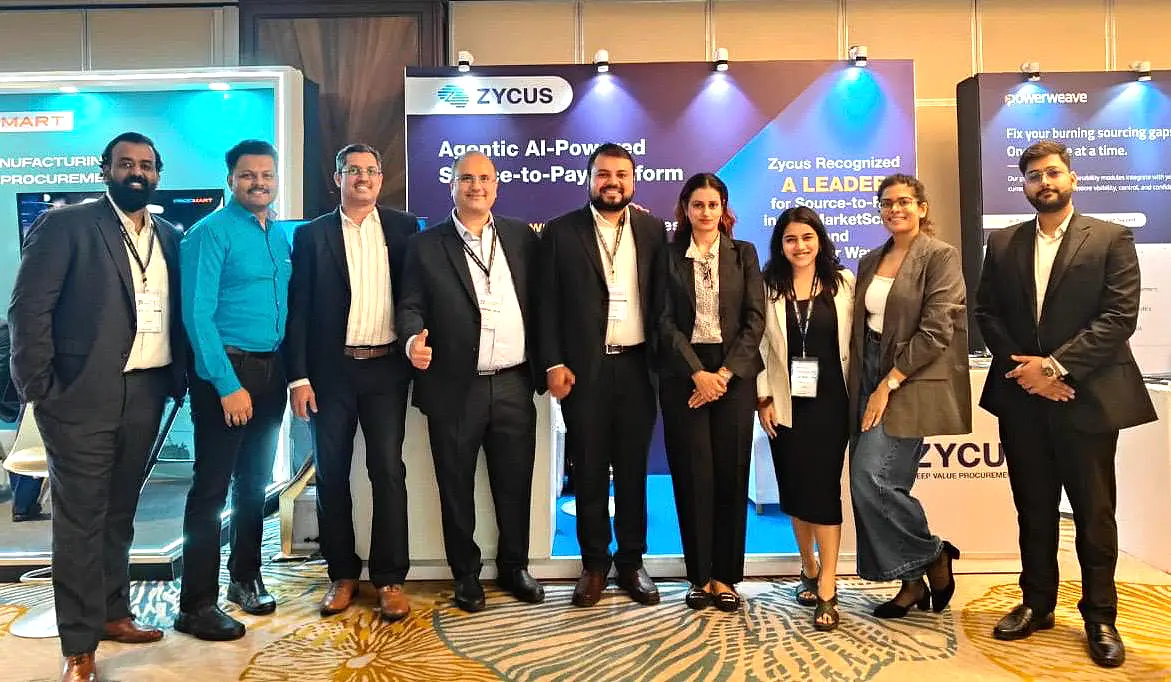
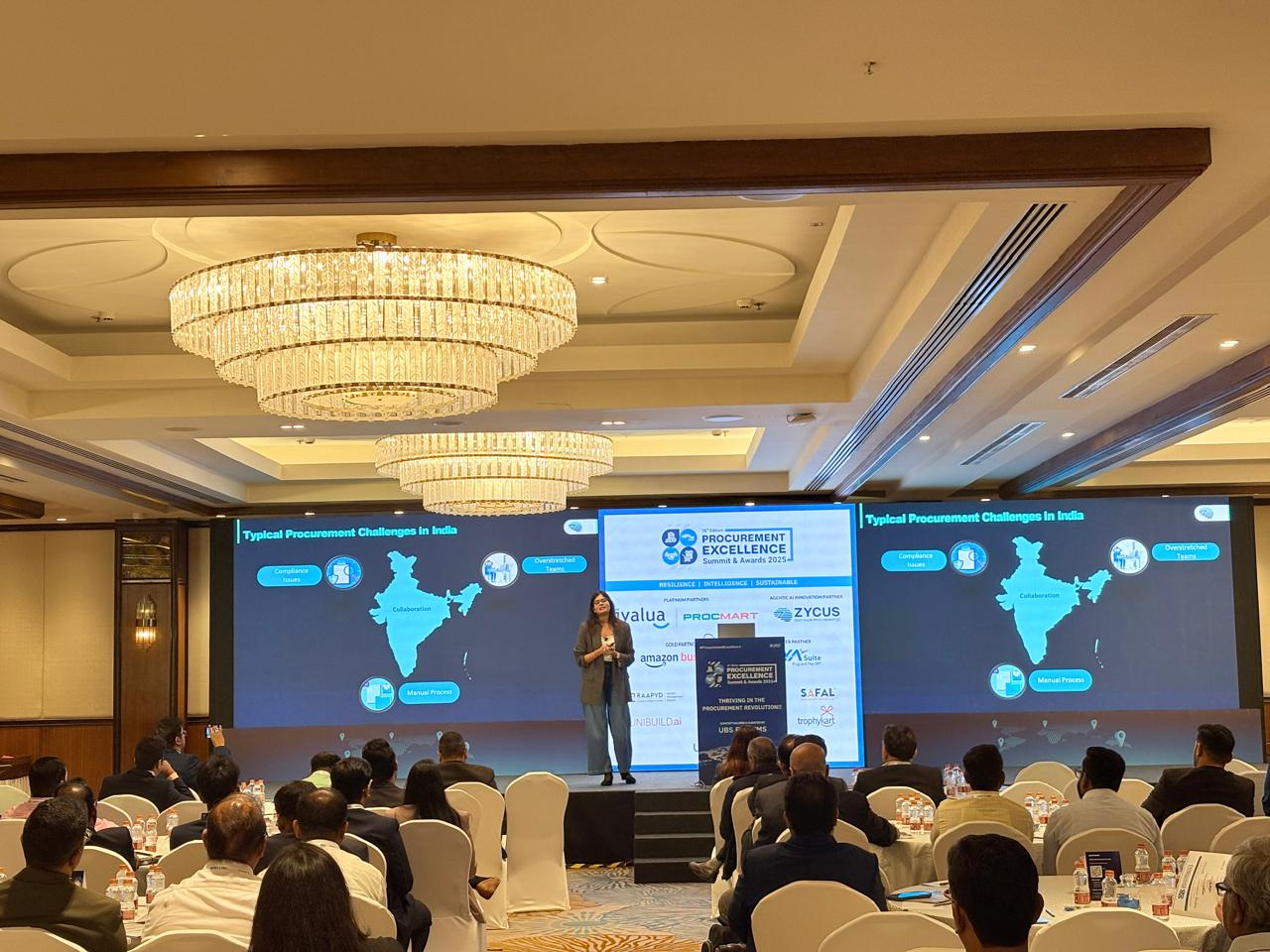
At the Procurement Excellence and Awards India 2025, I stood at our booth having the same conversation dozens of times throughout the day..
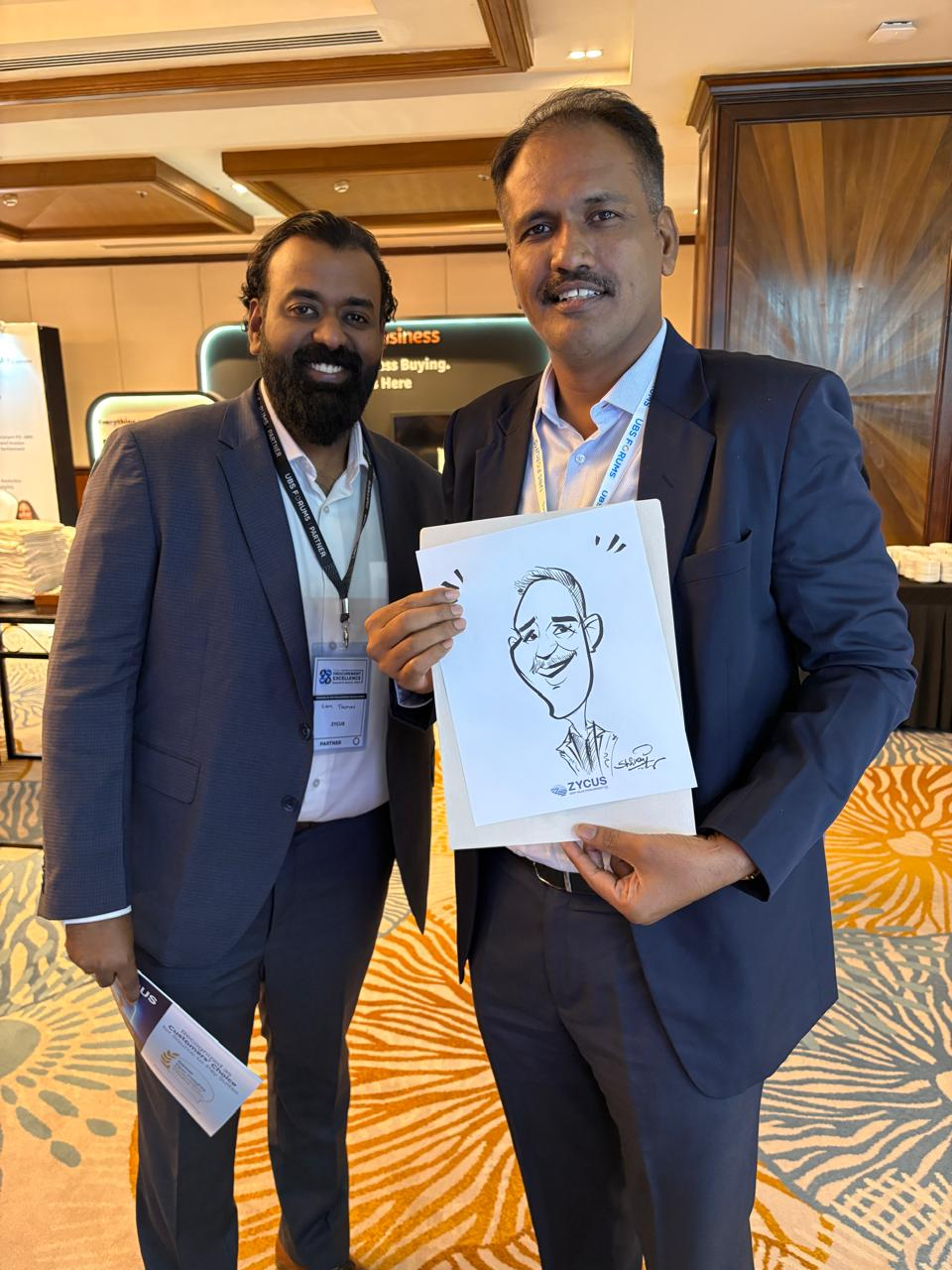
A procurement director from one of India’s largest private banks leaned forward and said: “We’ve mastered direct procurement our core suppliers, production materials. But indirect spending? IT services, marketing agencies, facility management, office supplies? That’s where millions disappear every year, and we have almost no visibility.”
That moment captured the central challenge facing Indian procurement leaders: the indirect procurement blind spot.
Understanding the Divide: Direct vs. Indirect Procurement
Before diving into solutions, let’s clarify the critical distinction that shaped every conversation at Procurement Excellence and Awards India 2025:
Direct Procurement involves goods and services directly tied to production and core operations of raw materials, components, production equipment, and items that become part of the final product.
Indirect Procurement encompasses everything else that keeps business running—IT hardware and software, marketing and professional services, facilities management, office supplies, travel services, and contingent labor.
For most Indian organizations, direct procurement receives strategic attention, centralized management, and dedicated systems. It’s visible, measurable, and directly tied to product costs.
Indirect procurement? That’s where fragmentation lives.
Read more: Direct Procurement vs. Indirect Procurement: Key Differences Explained
The Indirect Procurement Crisis: Why It Matters Now
A pattern emerged with striking consistency across conversations:
Direct procurement typically represents 60-70% of total spend but receives 90% of procurement leadership attention.
Indirect procurement represents 30-40% of total spend but operates with minimal oversight, fragmented systems, and rampant maverick spending.
A manufacturing CPO from a leading Indian conglomerate shared: “We negotiated an 8% cost reduction on raw materials last year excellent work. But maverick spending on IT subscriptions, marketing services, and office supplies cost us more than we saved. People were buying the same software licenses from three different vendors at three different prices.”
The Indirect Procurement Challenge in Numbers
What Indian leaders revealed about their indirect procurement reality:
- 60-70% of procurement requests come from indirect categories
- 80% of maverick spending occurs in indirect categories
- Thousands of low-value, high-frequency transactions are consuming disproportionate procurement time
- Fragmented supplier base with limited negotiating leverage
- Minimal visibility into what’s being bought, by whom, and at what price
A procurement director from a major IT services company captured it perfectly: “Our direct procurement is world-class. Our indirect procurement is chaos.”
Why Traditional Systems Fail Indirect Procurement
The challenge isn’t lack of procurement systems. Organizations have plenty of money.
The challenge is that systems designed for direct procurement fundamentally don’t work for indirect procurement.
The Direct Procurement Playbook: Limited strategic suppliers, high value planned purchases, structured RFPs, centralized decision-making, and long-term contracts with clear specifications.
The Indirect Procurement Reality: Hundreds or thousands of suppliers, low-value urgent requests, decentralized requesters across all departments, immediate needs that can’t wait for formal RFPs, and constantly evolving requirements.
One pharmaceutical procurement manager described the breaking point: “Our procurement system works beautifully for API suppliers and packaging materials. But when marketing needs to rush promotional materials or IT needs emergency cloud storage, the formal process takes so long they bypass us with corporate cards.”
That’s not a compliance problem. That’s a process failure.
The Business Case for Indirect Procurement Transformation
Leaders at Procurement Excellence and Awards India weren’t debating whether indirect procurement mattered. They were quantifying value losses:
Recoverable Value in Indirect Procurement:
Maverick Spend Elimination:
- 20-30% of indirect spend happens outside procurement channels
- Organizations recover 15-25% savings by bringing maverick spend under management
- One bank calculated ₹18 crores annual savings from SaaS license consolidation alone
Tail Spend Optimization:
- 80% of suppliers represent only 20% of spend
- These “tail spend” suppliers receive zero negotiation attention
- Autonomous negotiation delivers 2-5% immediate savings without adding headcount
Process Efficiency:
- Procurement teams spend 60-70% of time on low-value indirect requests
- One organization calculated 1,200 hours annually wasted on manual approvals
Contract Leakage:
- Untracked renewals and missed obligations cost 3-8% of contract value
- In indirect categories with thousands of contracts, leakage compounds dramatically
A regional CPO summed it up:
“We’ve optimized direct procurement to the limit. The next competitive advantage frontier is making indirect procurement as intelligent and efficient as direct.”
How Leaders Benefit from Automating Indirect Procurement
The procurement leaders who generated most excitement weren’t asking if they should automate indirect procurement. They were asking how fast they could implement.
Strategic Benefits:
- Reclaim Strategic Capacity
Intelligent automation handles high-frequency, low-value transactions, freeing procurement professionals for work that moves business forward.
- Eliminate Maverick Spend Without Adding Friction
AI-powered Intake Management makes the compliant path the easy path—guided requests, intelligent routing, automatic policy compliance—without feeling enforcement.
- Transform Tail Spend from Chaos to Strategic Value
Autonomous Negotiation Agents (ANA) negotiate with multiple tail spend suppliers simultaneously, delivering 2-5% savings in categories that previously received zero attention.
- Convert Contract Repositories into Intelligence Assets
Contract Lifecycle Management with AI extracts obligations automatically, tracks performance, and alerts proactively transforming static document storage into dynamic intelligence.
- Consolidate Fragmented Systems into Unified Intelligence
A unified platform means intelligence flows seamlessly across intake, sourcing, contracts, supplier management, and AP with no integration gaps, no duplicate data entry, no siloed insights.
Agentic AI: The Game-Changer for Indirect Procurement
At Procurement Excellence and Awards India 2025, the term that captured most attention was agentic AI.
What Makes Agentic AI Different?
Traditional automation follows the rules: “If this happens, do that.”
Agentic AI takes autonomous action toward goals: “Achieve this outcome and determine the best path to get there.”
For indirect procurement with its complexity, variability, and constant exceptions, that distinction is transformative.
Agentic AI in Action:
Intelligent Intake Management:
- Conversationally guides requesters through procurement needs
- Understands intent (not just form fields)
- Routes intelligently based on category, value, and organizational structure
- Checks existing contracts automatically to prevent duplicate spend
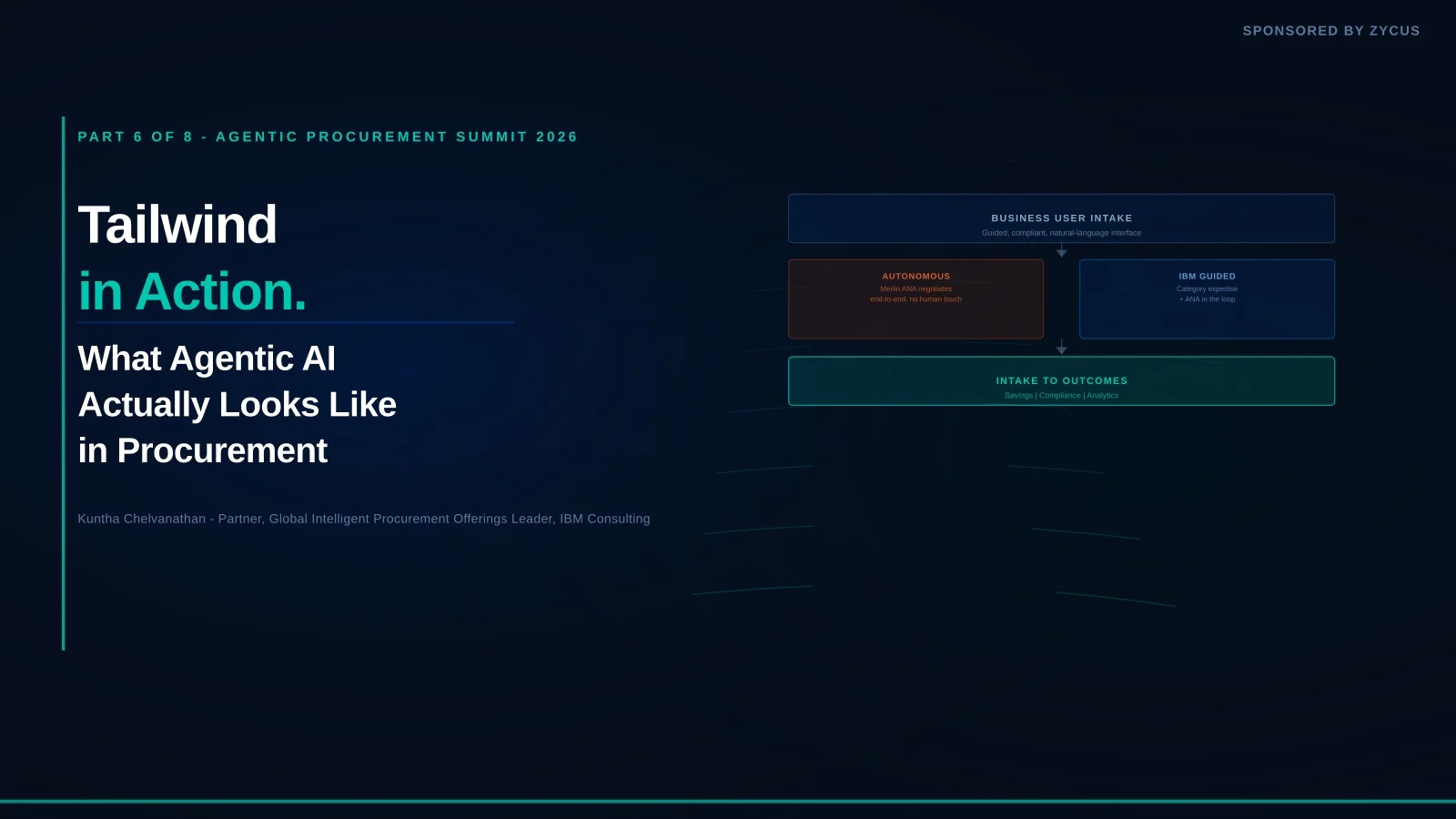
Autonomous Negotiation Agents (ANA):
- Engages multiple suppliers simultaneously in tail spend categories
- Negotiates terms, pricing, and conditions without human intervention
- Learns from outcomes to improve over time
- Delivers 2-5% savings in categories that previously received zero attention
“This solves the math problem: we can’t hire enough people to negotiate 2,500 supplier contracts. AI can.” — Regional Conglomerate CPO
Proactive Contract Intelligence:
- Reads contracts (even scanned PDFs) and extracts obligations automatically
- Monitors supplier performance against commitments in real-time
- Alerts teams to upcoming renewals, deliverables, or compliance gaps beforethey become problems
- Identifies unfavorable terms and suggests renegotiation opportunities
Success Stories: Proof Points That Matter
Indian procurement leaders wanted proof from organizations facing similar challenges, complex supplier ecosystems, mix of global and local requirements, rapid growth, and stretched procurement teams.
The unified AI-powered procurement platform is delivering results for major enterprises with demographics and operational complexity like India: SM Retail, BDO Unibank, SM Investment Corporation, and 2GO Group.
These aren’t pilots. These are production deployments delivering measurable results:
- 70% faster procurement request processing through AI-powered Intake Management
- 2-5% tail spend savings through Autonomous Negotiation Agents
- 60-70% reduction in maverick spending by making compliance the easy path
- 40-60% of routine tasks automated freeing teams for strategic work
- Millions in contract leakage recovered through proactive obligation tracking
One procurement director who visited our booth three times captured the shift: “Six months ago, I needed convincing this would work. Today, I’m seeing results from similar markets, and I need to move fast.”
Why the Unified Platform Approach Resonated
By Day 1’s end, I’d counted seven conversations where leaders mentioned managing 3-5 separate procurement systems simultaneously.
One system for sourcing. Another for contracts. A third for purchase orders. A fourth for invoicing. A fifth for supplier management.
Each worked reasonably well in isolation. But integration points were where value disappeared data entered manually across multiple systems, insights trapped in departmental silos, suppliers asked for same information repeatedly, approvals duplicated across platforms, and reporting requiring manual data consolidation.
One procurement director described it as “death by a thousand integrations.”
What Made Our Unified S2P Platform Compelling:
It wasn’t featuring breadth it was intelligence continuity.
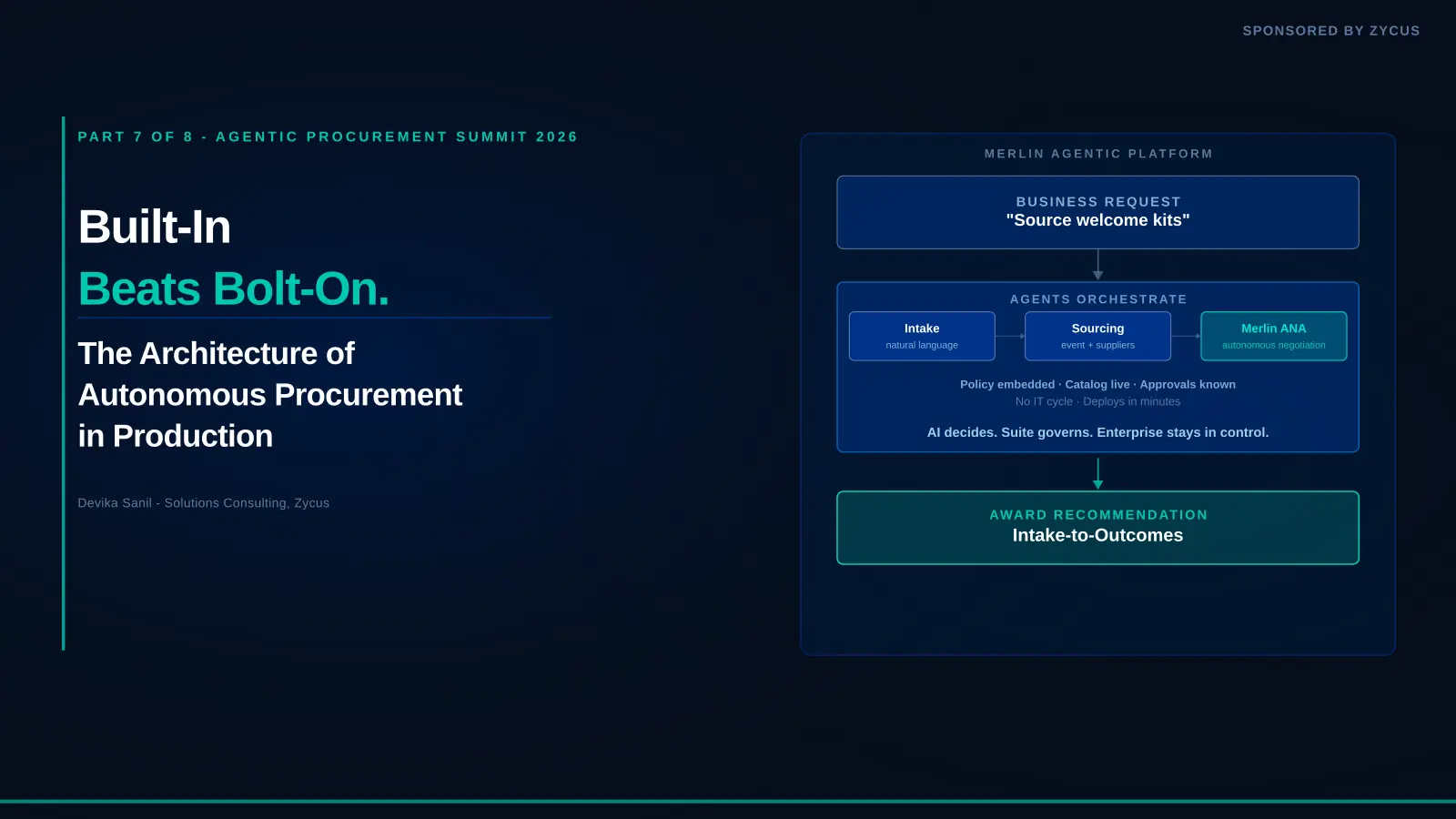
When AI-powered Intake Management captures an indirect procurement request, intelligence flows seamlessly to:
- Sourcing (is this a new category needing strategic attention?)
- Contract Management (do we already have an agreement covering this?)
- Supplier Management (is this vendor accredited and performing well?)
- Autonomous Negotiation (can we negotiate better terms for this tail spend category?)
- AP Automation (how should invoices be processed and matched?)
Merlin AI sits across all modules, learning patterns, predicting needs, and connecting dots that separate systems can’t see.
Quantifying the ROI of Unified AI-Powered Indirect Procurement
By the end of two days, quantifiable opportunities were undeniable:
For Indian Organizations:
Maverick Spend Elimination: Typical organization recovers ₹8-40 crores annually by bringing 20-30% of indirect spend under management
Tail Spend Optimization: Typical organization captures ₹4-16 crores annually through 2-5% savings without adding headcount
Process Efficiency: 1,000-3,000 hours annually redirected to high-impact activities through 70% faster processing
Contract Leakage Recovery: Typical organization recovers ₹6-24 crores annually through proactive obligation management
Regional Context:
- 90% APAC adoption rate expected by 2026– first movers capture competitive advantage
- $450 billion opportunity across Asia-Pacific by 2028– indirect procurement represents 30-40%
- Proven results from major APAC organizations demonstrate replicable success
The Bottom Line: Indirect Procurement Is the Hidden Competitive Battleground
Procurement Excellence and Awards India 2025 proved that unified AI-powered indirect procurement isn’t coming to India it’s already here.
Leaders left with specific solutions for maverick spending, tail spend optimization, contract intelligence gaps, system fragmentation, and process friction.
They saw 70% faster processing, 2-5% tail spend savings, and millions of recovered contract value demonstrated in live deployments, not theoretical projections.
The risk isn’t whether unified AI-powered platforms will work. The risk is whether competitors will move faster.
Direct procurement optimization has reached maturity. Indirect procurement remains in the hidden battleground where competitive advantage is won or lost.
The question isn’t whether unified AI will transform Indian indirect procurement—I watched that transformation accelerate at Procurement Excellence and Awards India 2025.
The question is whether your organization will lead it or spend the next three years watching competitors capture the value you left on the table.
Related Reads:
- Procurement automation: How can it help in procurement transformation?
- 4 Asia-Pacific Case Studies of Successful Procurement Transformation
- Procure to Pay Analytics: How APAC Businesses Can Optimize Procurement and Payments
- The Agentic AI Advantage: Unlocking Deep Value in APAC’s AI-Driven Future
- Understanding Blockchain in Procurement and Its Impact
- Procurement vs Purchasing: Understanding the Difference
- Procurement in Value Chain for Business Advantage
- White Paper – Unraveling Cognitive Procurement: Unlocking Efficiency With AI