





Managing purchases across multiple ERPs and nested supplier networks creates significant operational risk and friction. Choosing the best procure-to-pay software for complex supply chains helps procurement leaders unify upstream sourcing with downstream execution. With a modern enterprise procure-to-pay platform, organizations gain deep-tier visibility, eliminate spend leakage, and leverage procure-to-pay software for supply chain resilience in volatile markets.
The six platforms Gartner named Leaders in 2026, the capabilities that matter when your supply chain spans many tiers, systems, and geographies, and how to choose the right fit.
TL;DR
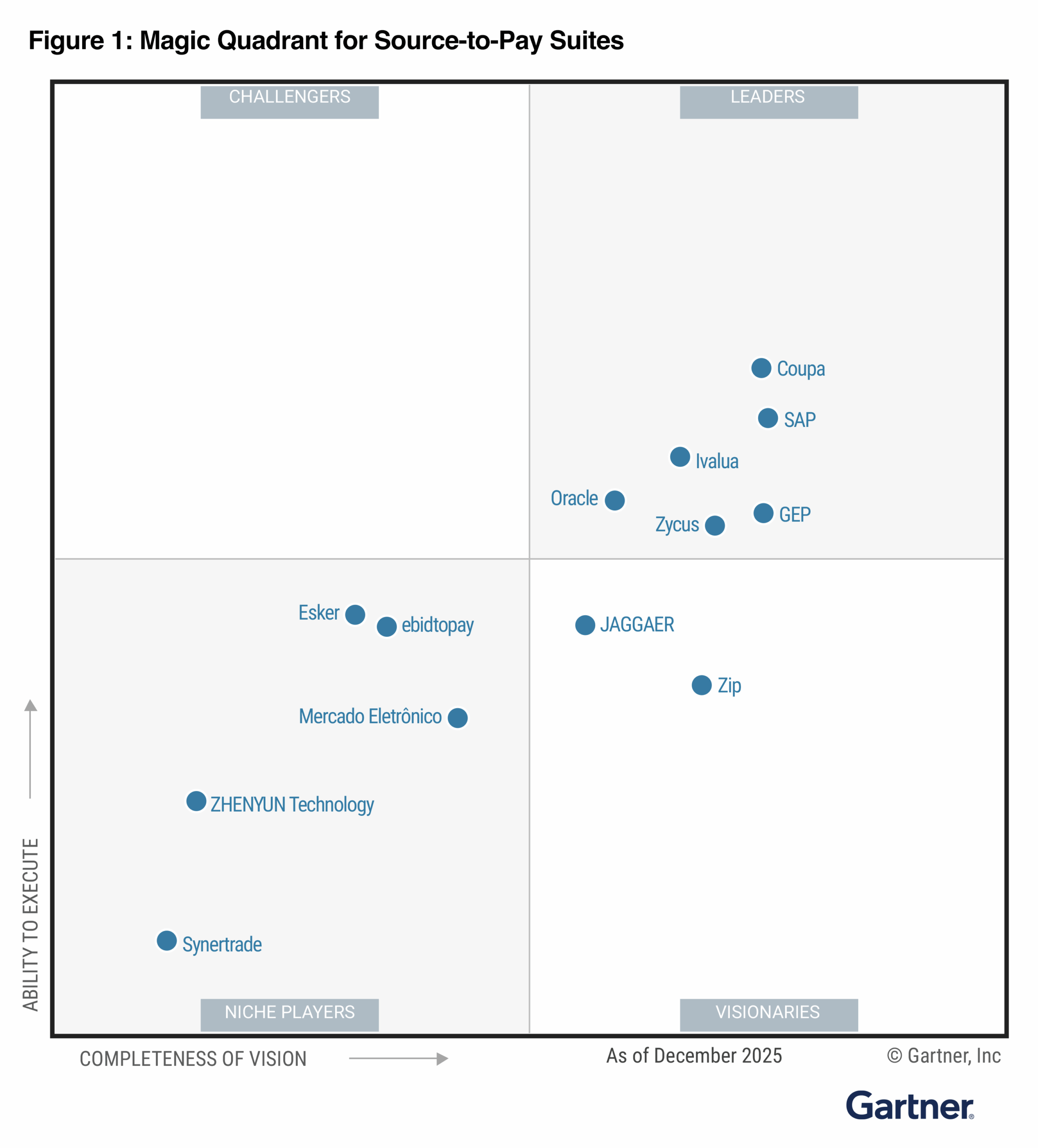
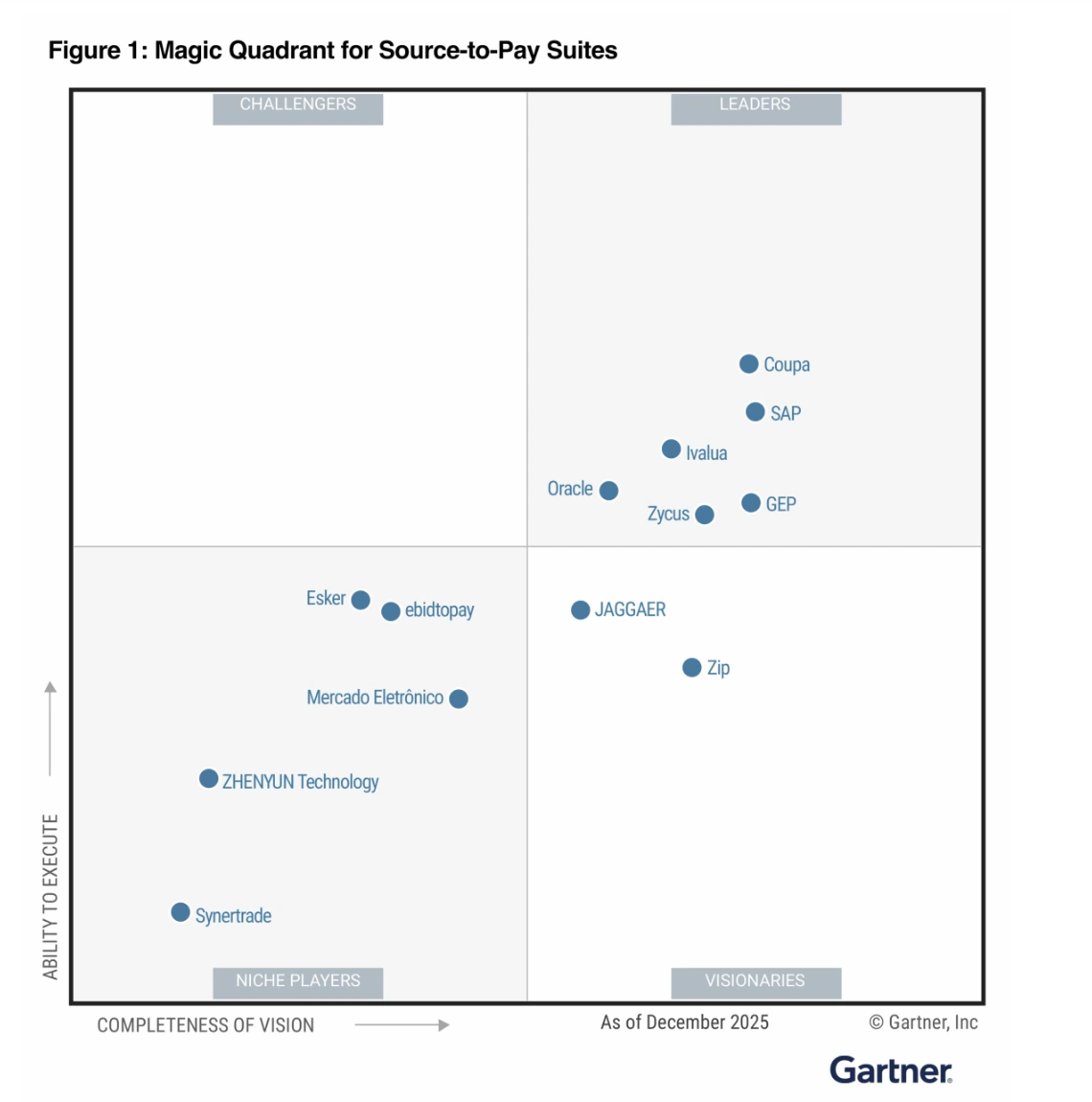
- Gartner evaluated 13 source-to-pay vendors in its January 2026 Magic Quadrant and named six Leaders: Coupa, GEP, Ivalua, Oracle, SAP, and Zycus. Procure-to-pay sits inside that suite.
- For a complex supply chain, the decision turns on multi-tier supplier management, multi-ERP integration, direct plus indirect spend on one model, and governance across geographies.
- Complexity is where risk hides: most companies can see supply chain risk only to their tier-one suppliers, and visibility into deeper tiers has been declining (McKinsey).
- Disruption is not rare. A disruption lasting a month or more hits the average company about every 3.7 years, and a decade of them can cost roughly 30% of a year’s EBITDA (McKinsey).
- Architecture, not feature count, separates the Leaders. A suite built on one data model behaves differently across a complex chain than separately built tools wired together.
- Compare the full strengths and cautions for every Leader in the 2026 Gartner Magic Quadrant for Source-to-Pay Suites.
How we built this list
Why these six. Procure-to-pay is the downstream half of source-to-pay, so the most useful independent benchmark covering it is the 2026 Gartner® Magic Quadrant™ for Source-to-Pay Suites, published 21 January 2026, which evaluated 13 providers. We included the six vendors Gartner named Leaders and did not add or remove any based on our own view. Readers evaluating standalone AP automation or invoice-only tools should note that this list covers suites, not point solutions.
How we assessed each one. We profiled all six against the four complexity dimensions used throughout this article: supplier-tier depth, ERP and entity landscape, direct-and-indirect balance on one data model, and governance across regions. Profiles draw on Gartner’s published positioning, each vendor’s own product documentation, and publicly available reviewer data from Gartner Peer Insights and G2.
What makes procure-to-pay hard for a complex supply chain?
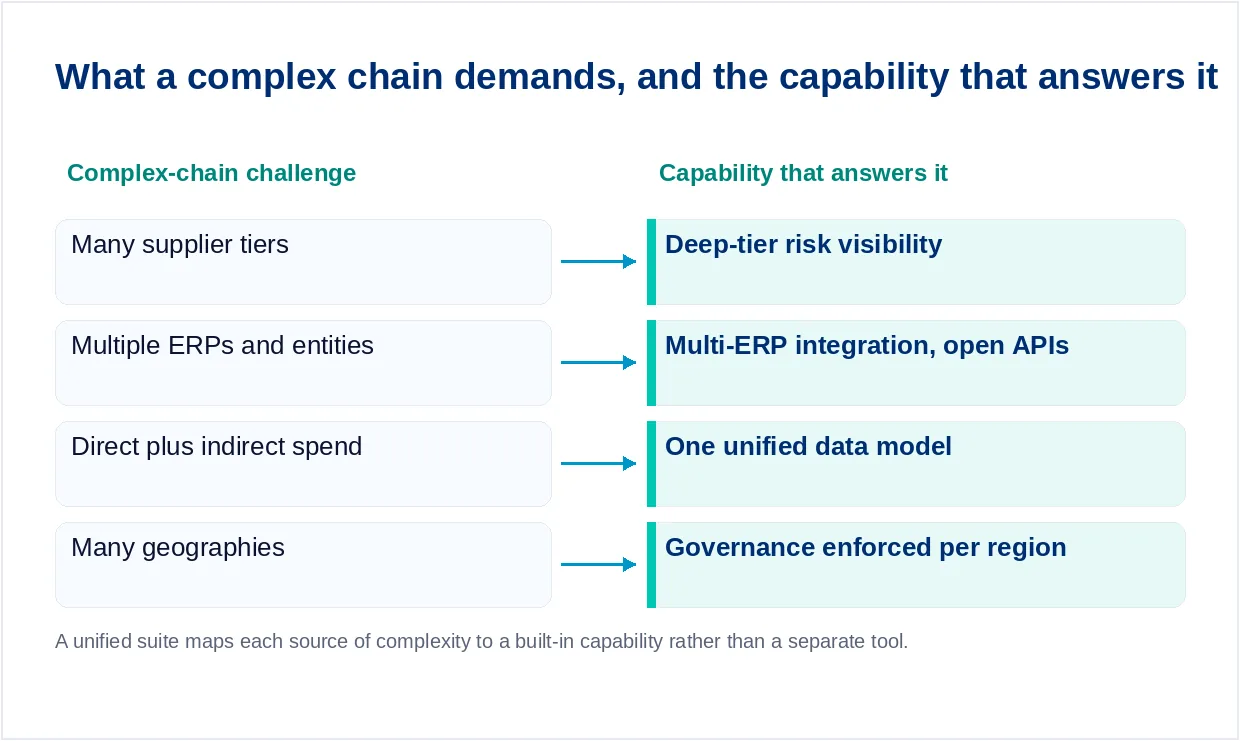
Procure-to-pay is straightforward when a business buys a few categories from a handful of suppliers on one system. Complexity changes the problem. A large enterprise buys across many supplier tiers, runs multiple ERPs and legal entities, mixes direct and indirect spend, and operates across regions with different rules. Each of those multiplies the places where a requisition can stall, an invoice can go unmatched, or spend can leak off contract.
The hardest part is what you cannot see. McKinsey finds that most companies understand their supply chain risk only as far as their tier-one suppliers, and that visibility into deeper tiers has fallen for two consecutive years. A procure-to-pay platform for a complex chain has to close that gap, not widen it.
What does the Gartner Magic Quadrant for source-to-pay actually measure?
Procure-to-pay is the downstream half of source-to-pay, so there is no standalone Gartner quadrant for it. The most useful independent benchmark covering P2P is therefore the source-to-pay suite evaluation, which assesses the full cycle including requisition, purchase order, invoice and payment. That has a practical consequence for a complex chain: it means the benchmark rewards vendors whose upstream negotiated terms actually reach the downstream transaction, which is precisely the failure point in a multi-tier, multi-ERP environment.
Which platforms are the 2026 leaders?
In its January 2026 edition, Gartner evaluated 13 providers and named six Leaders. Each takes a distinct approach:
- Coupa is recognized for spend management and a large business network, and fits indirect-spend programs that prioritize fast adoption.
- GEP pairs procurement software with consulting services, fitting advisory-led transformation programs.
- Ivalua is recognized for a configurable, unified platform, fitting sourcing-intensive programs with direct-spend depth.
- Oracle embeds procurement inside its cloud ERP suite, fitting finance-led, Oracle-standardized enterprises.
- SAP leverages its ERP ecosystem and business network, fitting SAP-standardized global enterprises.
- Zycus is recognized for agentic AI built into a unified suite, fitting complex, multi-tier enterprises moving from Source-to-Pay to Intake-to-Outcomes.
At a glance:
| Platform | Recognized for | Best fit for a complex chain | Multi-ERP and multi-entity posture | Supplier network and tier reach |
|---|---|---|---|---|
| Coupa | 2026 MQ Leader, positioned highest for Ability to Execute for the third consecutive year; spend management breadth | Indirect-heavy chains spanning many countries, where community benchmarking across a large buyer base adds value | Cloud SaaS, ERP-agnostic; typically requires middleware for SAP; strong fit with Oracle, Workday, Microsoft Dynamics | Large two-sided business network; network density is a primary strength |
| GEP | 2026 MQ Leader for the second consecutive year; software paired with consulting, covering direct and indirect on one stack | Chains where the transformation is advisory-led and the enterprise wants software and services from one provider | Cloud-native; integrates with SAP S/4HANA, SAP ECC, Oracle Fusion, Oracle E-Business Suite, Workday | Network reach is smaller than Coupa’s or SAP Ariba’s; strength is services depth rather than network scale |
| Ivalua | 2026 MQ Leader; configurability on a single data model, with direct-materials depth | Manufacturing and direct-materials chains needing deep configuration without custom code across varied entity requirements | Cloud, ERP-neutral with bi-directional sync; supports SAP and Oracle, middleware typical for SAP | No large proprietary network; supplier reach depends on your own onboarding and third-party risk data |
| Oracle | 2026 MQ Leader; procurement embedded natively inside Oracle Fusion Cloud | Enterprises standardized on Oracle Fusion across entities, where procurement, finance and HCM sharing one stack removes integration work | Cloud, native to Oracle Fusion ERP | Network reach is not the differentiator; supplier data strength sits inside the Oracle stack |
| SAP Ariba | 2026 MQ Leader; enterprise breadth, native SAP integration, and the largest supplier business network | SAP-standardized global chains with very large supplier bases where network reach is the deciding factor | Cloud, native for SAP S/4HANA and ECC; open APIs for third-party ERP | The largest supplier business network among the six |
| Zycus | 2026 MQ Leader; agentic AI built natively into a unified suite, taking enterprises from Source-to-Pay to Intake-to-Outcomes | Multi-tier, multi-ERP chains that want autonomous agents operating inside the governance layer, on one data model built organically rather than assembled through acquisition | Cloud, ERP-agnostic with pre-built connectors for SAP and Oracle; Zycus states 1,121 APIs for integration | Smaller proprietary network than SAP Ariba or Coupa; strength is agent-driven supplier onboarding and continuous risk scoring rather than network size |
All six quote against scope, typically combining platform licence, implementation, and integration cost, and scaling with users, entities, modules and transaction volume.
All six are Leaders. The useful work is matching a profile to yours, which the next sections help you do.
Which capabilities matter most at complex-chain scale?
How far down the supply chain should a platform give you visibility?
A complex chain runs on thousands of suppliers across tiers, and the risk that matters most usually sits below tier one. The platform should onboard, qualify, monitor, and score suppliers in one place, and surface risk deep in the chain before it becomes disruption. Self-service portals, automated document collection, and continuous risk scoring separate platforms built for multi-tier bases from those retrofitted for them.
How does procure-to-pay stay consistent across multiple ERPs and entities?
Complex enterprises rarely run one ERP. They run several, across business units and regions, and procure-to-pay has to stay consistent across all of them. The platform needs pre-built connectors, real-time synchronization, and open APIs, or each entity becomes its own silo. The platform needs pre-built connectors, real-time synchronization, and open APIs, or each entity becomes its own silo. Zycus states that its Merlin Agentic AI Platform exposes 1,121 APIs, keeping data consistent from requisition to payment across every instance.
Why should direct and indirect spend run on one data model?
Complex chains mix direct materials with a long tail of indirect spend, and managing them on separate systems is where visibility and compliance break down. A unified data model lets both run on one source of truth, so analytics are accurate and off-contract buying is caught rather than discovered later. Depth varies by vendor, so test your hardest direct-spend and tail-spend scenarios during evaluation.
How do you enforce governance across regions without losing central control?
A multi-region chain has to enforce different policies, tax rules, and approval chains without losing central control. Governance has to be enforced as spend moves, not reconstructed in an audit afterward. The principle that holds at scale is simple to state: AI decides, the suite governs, and the enterprise stays in control, wherever the transaction happens.
Why does a complex chain need orchestration rather than a linear workflow?
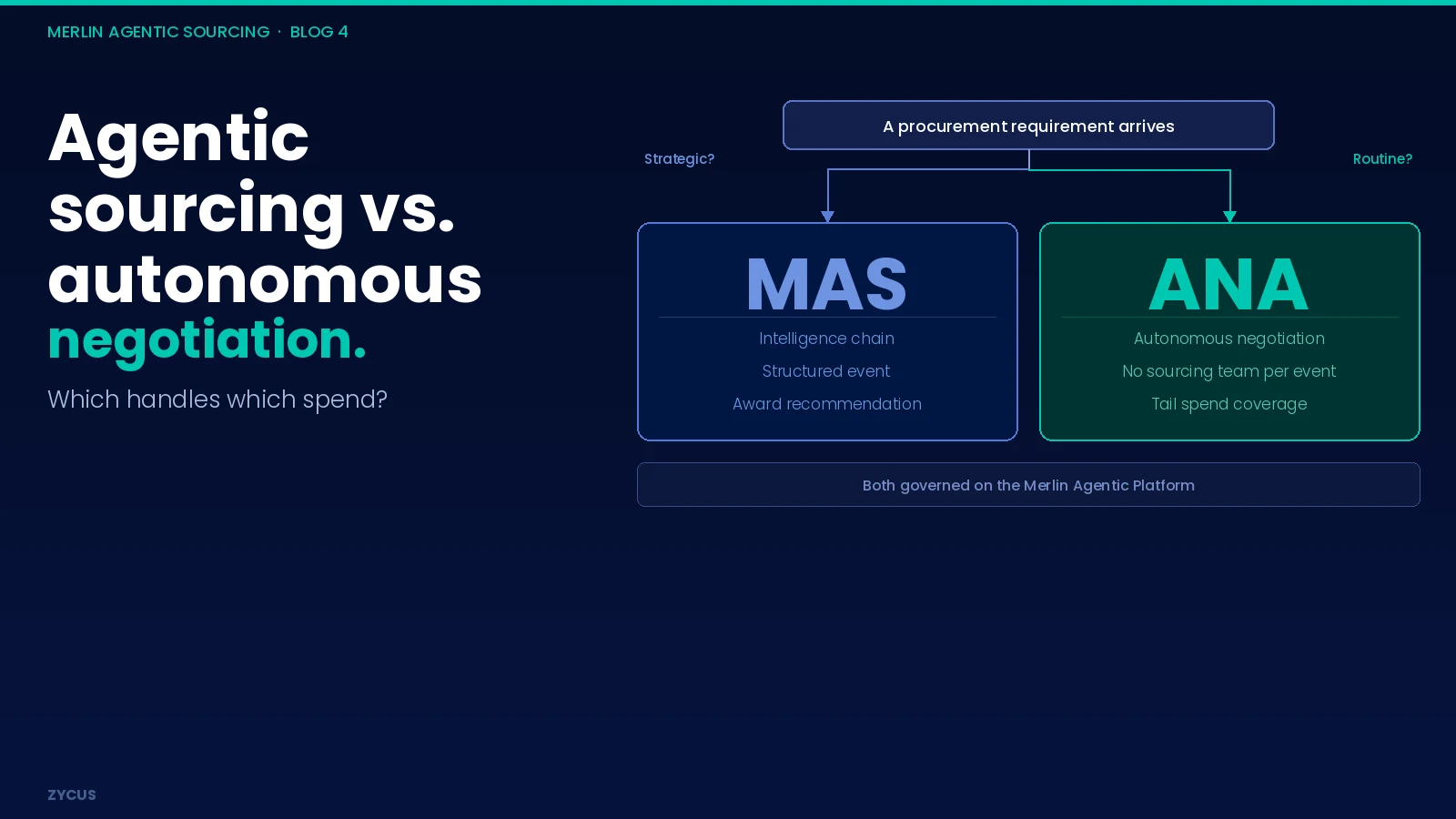
A complex chain is a web, not a line, so the platform has to orchestrate work across many systems and suppliers rather than push it through a single sequence. This is where autonomous agents earn their place: the Autonomous Negotiation Agent (ANA) handles tail spend without human intervention, capturing category savings that fragmented, manual processes routinely leave on the table and freeing the team for the exceptions that need judgment.
How should a complex-chain enterprise choose?
Score the Leaders on four dimensions tuned to complexity: supplier-tier depth (how far down the chain the platform gives you visibility), ERP and entity landscape (integration depth across your instances), direct-and-indirect balance (whether both run on one model), and governance across regions (policy and audit enforced in the flow of work). The cost of getting this wrong is not hypothetical. McKinsey estimates that the average company faces a disruption of a month or more roughly every 3.7 years, and that in consumer goods, for example, a decade of disruptions can equal about 30% of a single year’s EBITDA. A platform that fits the chain is a resilience decision as much as an efficiency one.
Why does architecture matter more than feature count?
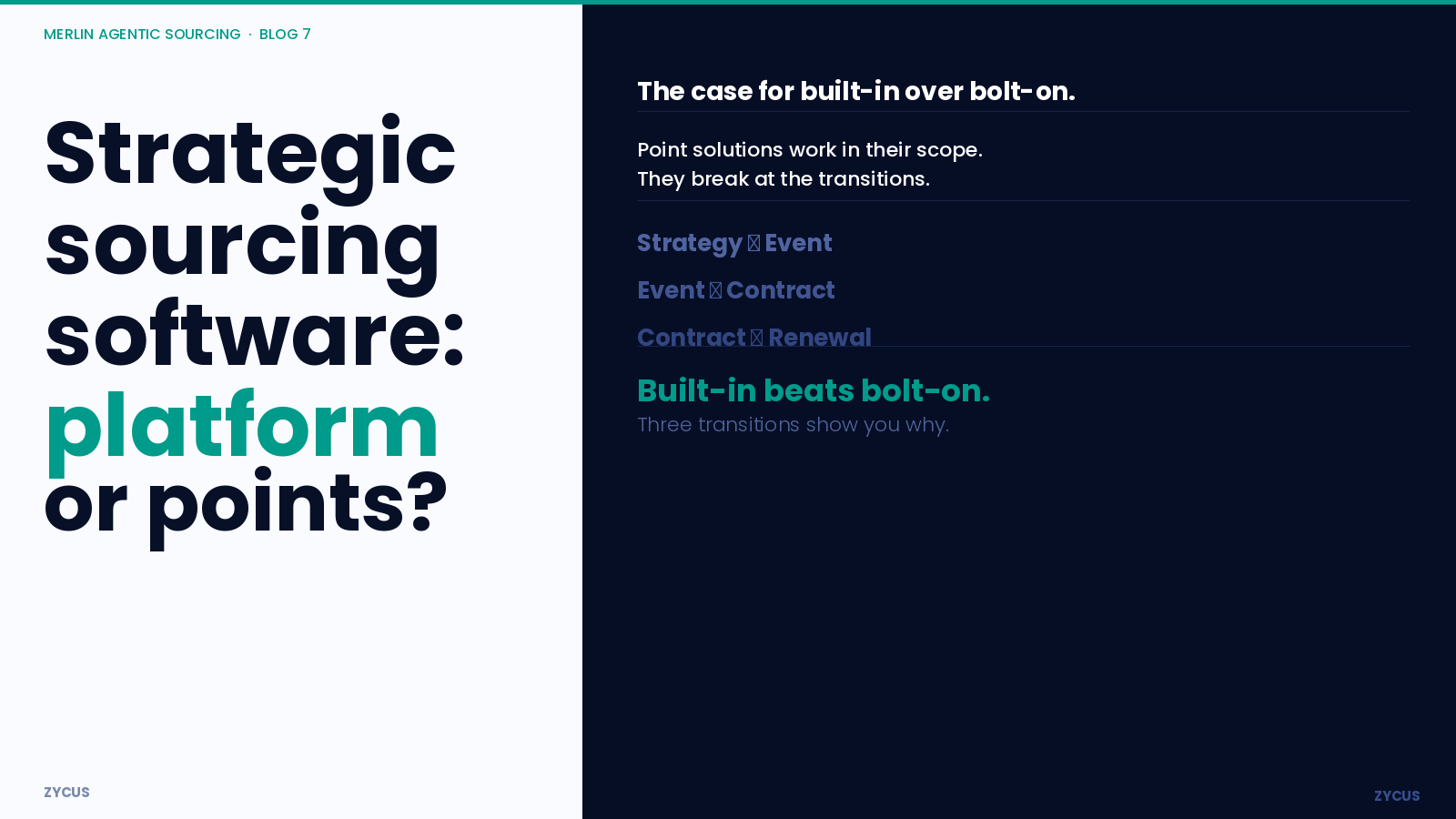
Two platforms can list the same features and behave differently across a complex chain. What separates them is whether the intelligence is structural or added on top. Built-in beats bolt-on: when data, AI, and governance share one model, a decision in sourcing is visible at payment across every entity, and control does not depend on synchronizing separate tools. This is a property of how a platform is built, not a verdict on any single vendor. Complexity is now the norm rather than the exception. McKinsey reports that nine in ten supply chain leaders encountered supply chain challenges in 2024, which is exactly the environment an assembled stack struggles to hold together.
Where does Zycus fit for a complex supply chain?
Zycus is built for the enterprise that wants AI inside its governance, not beside it. The Merlin Agentic Platform runs governed, multi-agent flows across one unified suite, taking enterprises from Source-to-Pay to Intake-to-Outcomes. Merlin Intake gives every request a single front door inside the tools people already use, ANA handles tail spend autonomously, and the suite is backed by 32+ patents and $1Tr+ in spend processed globally. Read against the capabilities above, that is the profile Zycus is built to fit.
What have complex-chain enterprises reported with Zycus?
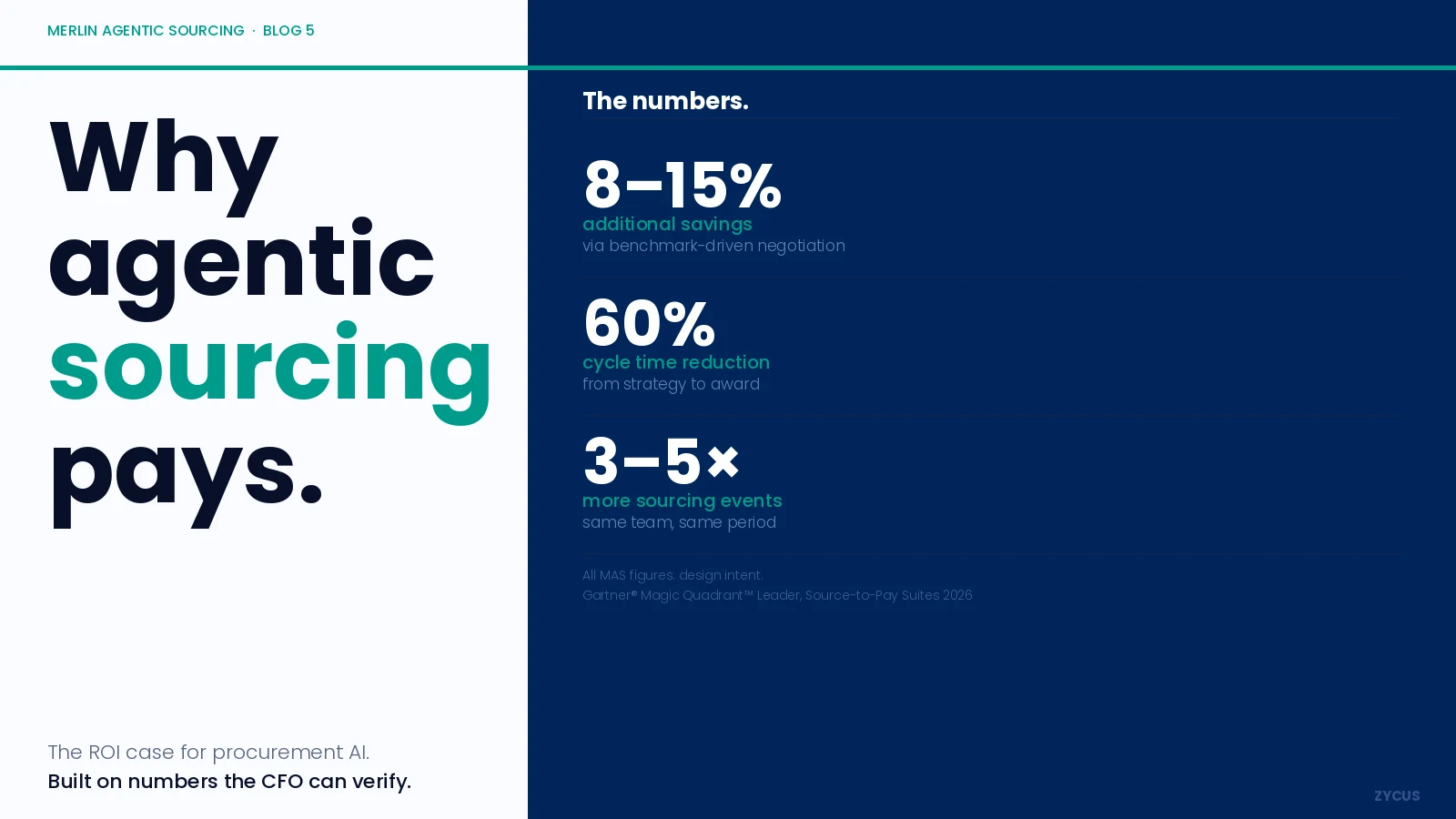
- Belden, a $2.4 billion manufacturer operating across 27 countries, reported cutting PR-to-PO cycle time by 40%.
- In one Fortune 500 bank deployment, Zycus identified $8.2 million in invoice misclassifications and reduced sourcing cycle time from 14 weeks to 6.
- Across deployments where Merlin Intake gives every request a single front door, Zycus reports one enterprise running more than 1,000 active users and 4,500 suppliers through it, alongside a 20% improvement in spend under management.
- Delta Air Lines has reported a fourfold acceleration in supply chain efficiency on the platform.
The Hackett Group’s 2026 Procurement Agenda & Key Issues Study, released 17 March 2026, found that 56% of procurement organizations have deployed agentic AI, roughly double the prior year, though large-scale deployment remains under 15%.
What does the analyst recognition actually say?
Independent recognition is converging. Zycus was named a Leader in the 2026 Gartner Magic Quadrant for Source-to-Pay Suites, a Leader in the 2025 IDC MarketScape for AI-enabled source-to-pay, and a Customers’ Choice in the 2025 Gartner Peer Insights Voice of the Customer for Source-to-Pay Suites. For a multi-year platform decision, analyst evaluation and verified customer reviews pointing the same direction matters more than any single ranking on its own.
What are the limits of a best-platforms list?
A quadrant ranks the market. It does not rank your fit. All six Leaders are capable enterprise platforms, and the right choice depends on the tiers you manage, the systems you keep, and the regions you operate in. Use the list to build a shortlist, then test it against your own scenarios rather than treating position as a verdict.
How do you move from shortlist to decision?
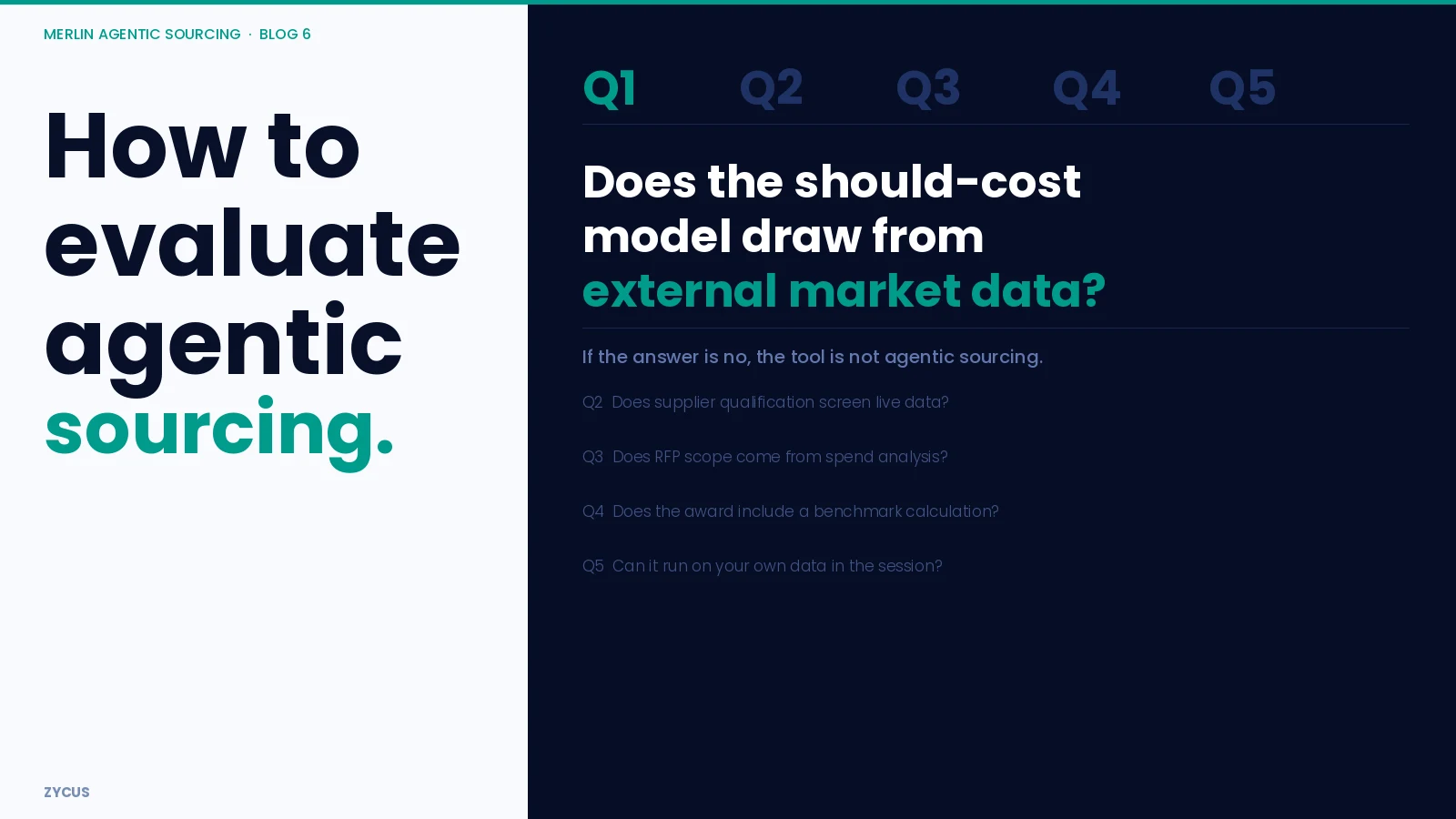
Shortlist the two or three Leaders whose profile fits your chain. Run demos against your real multi-tier, multi-ERP scenarios rather than scripted ones. Validate every claim against analyst evaluations and customer references, and compare each platform on the procure-to-pay capabilities that matter most to your business.
GET THE REPORT
Read the 2026 Gartner® Magic Quadrant™ for Source-to-Pay Suites to see how all 13 vendors were evaluated on Ability to Execute and Completeness of Vision, and why Zycus is positioned in the Leaders quadrant.
Gartner, Magic Quadrant for Source-to-Pay Suites, Micky Keck, Magnus Bergfors, Kaitlynn Sommers, Alex Brady, Lynne Phelan, 21 January 2026. Gartner and Magic Quadrant are trademarks of Gartner, Inc. and/or its affiliates. Gartner does not endorse any vendor, product or service depicted in its research publications, and does not advise technology users to select only those vendors with the highest ratings or other designation.
Navigating complex supply chains requires intelligent orchestration over linear workflows. Selecting the right procure-to-pay software for global enterprises comes down to unified platform architecture, multi-ERP integration, and deep-tier risk visibility. By deploying a multi-tier supply chain procure-to-pay solution, teams enforce regional governance, close visibility gaps beyond tier one, and turn supply chain risk into a strategic advantage.
Frequently Asked Questions
Q1. How much does enterprise procure-to-pay software cost?
Pricing for an enterprise procure-to-pay platform usually combines an annual platform license, implementation, and integration costs, scaling with users, entities, modules, and transaction volume. List prices are rarely published, so budget against scope. Most large enterprises model total cost of ownership over three to five years, including multi-ERP integration and change management.
Q2. How long does procure-to-pay implementation take across multiple entities and ERPs?
Implementing procure-to-pay software for global enterprises typically runs nine to fifteen months for a phased global rollout across several entities and ERPs, while a single-region or single-entity start can go live in three to six. The biggest variables are master-data readiness, the number of ERP integrations, and supplier onboarding scope across tiers. Phased deployment lets teams capture value early.
Q3. What is the difference between procure-to-pay and source-to-pay?
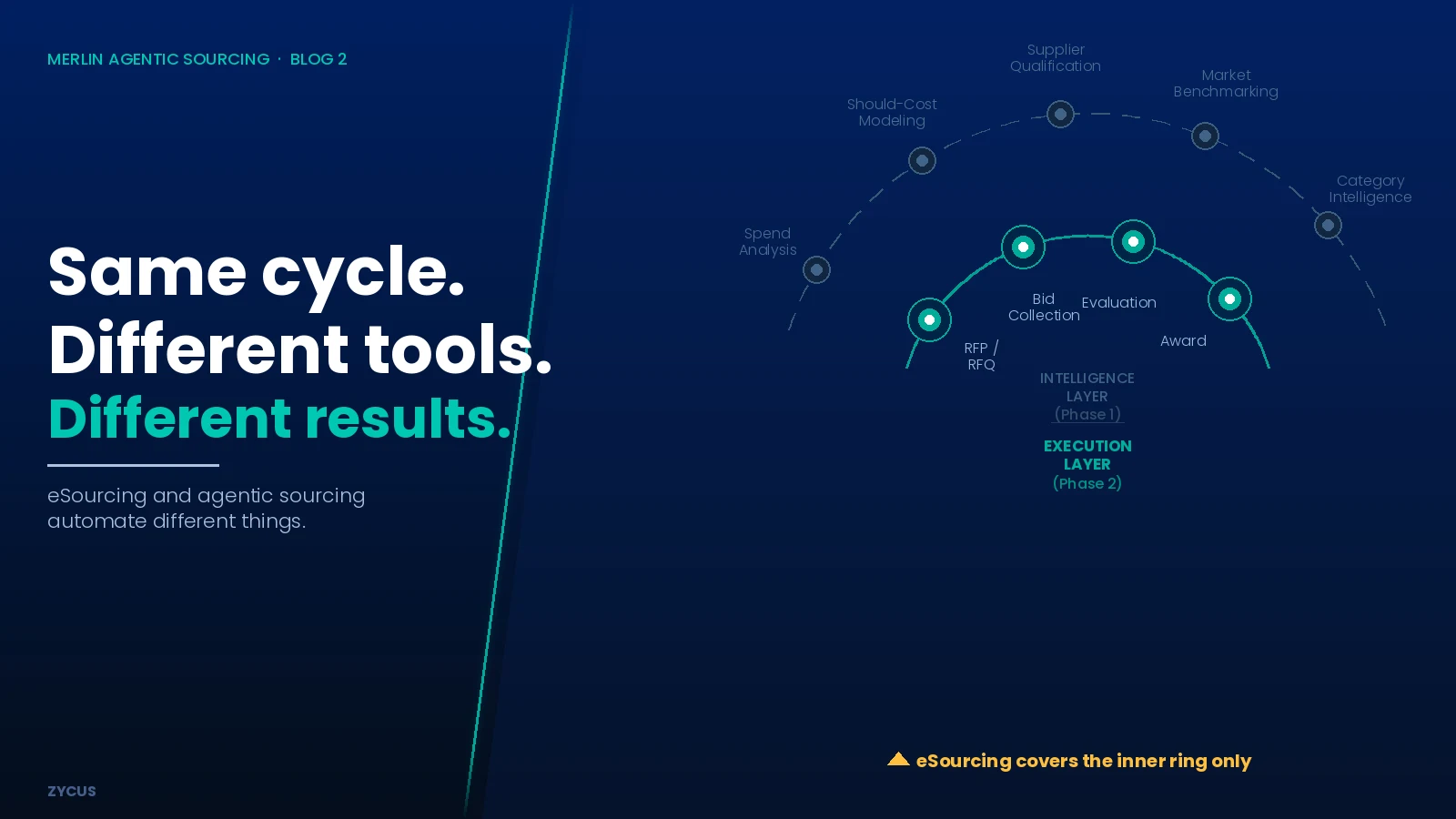
Procure-to-pay is the downstream cycle: requisition, purchase order, receipt, invoice, and payment. Source-to-pay adds the upstream stages, including strategic sourcing, supplier management, and contracts. The best procure-to-pay software for complex supply chains acts as the execution layer, ensuring negotiated source-to-pay terms actually reach the final transaction.
Q4. How does procure-to-pay software integrate with multiple ERPs like SAP and Oracle?
Leading platforms provide pre-built connectors, real-time synchronization, and open APIs to keep data consistent across SAP, Oracle, and other systems and instances. Integration depth determines whether spend, supplier, and invoice data stay aligned across entities. Confirm certified connectors and multi-instance reference deployments during evaluation.
Q5. How do you get visibility into tier-2 and tier-3 suppliers?
Deeper visibility requires a multi-tier supply chain procure-to-pay solution that leverages supplier networks, third-party risk data, and continuous monitoring built into the platform. Most companies see risk clearly only to tier one, so mapping and scoring suppliers beyond it provides a significant operational advantage. Ask vendors how they source and refresh multi-tier risk data.
Q6. Can one procure-to-pay suite handle both direct and indirect spend?
Yes. Deploying unified procure-to-pay software for supply chain resilience allows organizations to manage direct materials and indirect categories on one data model, improving visibility and compliance across total spend. Depth varies by vendor, so test your hardest direct-spend and tail-spend scenarios. A single platform reduces the maverick spend that fragmented tools leave uncontrolled.
Q7. What is agentic AI in procure-to-pay?
Agentic AI uses software agents that take multi-step actions toward an outcome, such as negotiating tail spend or resolving an invoice exception, within defined governance. It differs from a chatbot that only answers questions. In a complex chain, the value comes from agents that act inside the suite’s controls rather than outside them.
Q8. What security and compliance standards should procure-to-pay meet across regions?
Enterprise platforms should meet recognized standards such as SOC 2, ISO 27001, and regional data-residency and privacy requirements. Role-based access, audit trails, and policy enforcement should be native to the workflow and configurable per region. Confirm certifications, data-handling practices, and AI governance controls before shortlisting.